All free · GPL
Modules
A module adds commands to Lab4IQM. Install it like any Blender extension, then type
import multicalc (or the module's name) in the Lab4IQM console.
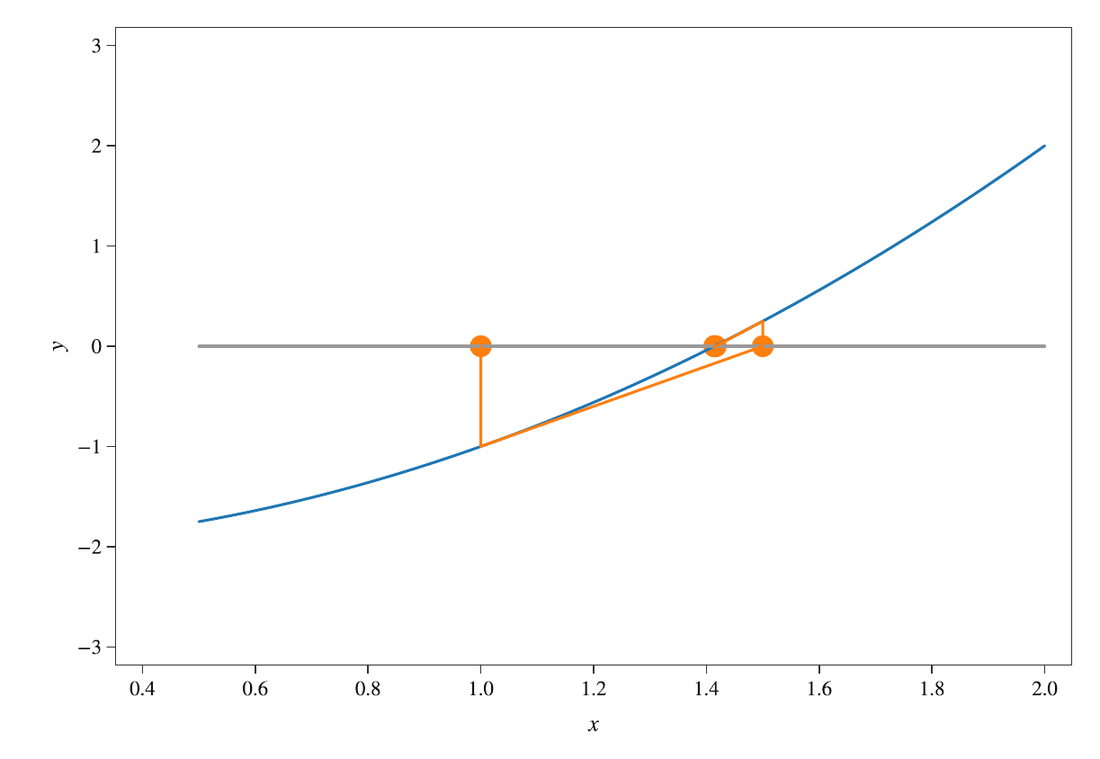
Differential Calculus
0.2.1Functions, limits, derivatives and their applications, with practice problems and answer checking.
OpenStax Calculus Volume 1, Chapters 1–4
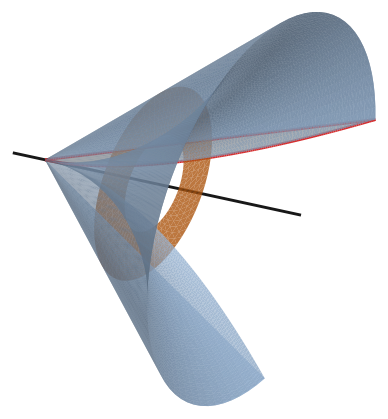
Integral Calculus
1.0.0Integrals and their applications, techniques of integration, differential equations, sequences and series, power series, parametric and polar curves.
OpenStax Calculus Volume 2, Chapters 1–7
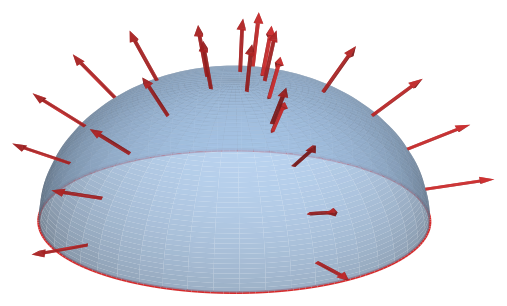
Multivariable Calculus
1.0.0Vectors and space curves, partial derivatives, multiple integrals, vector calculus with the theorems of Green, Stokes and Gauss, and second-order differential equations.
OpenStax Calculus Volume 3, Chapters 2–7
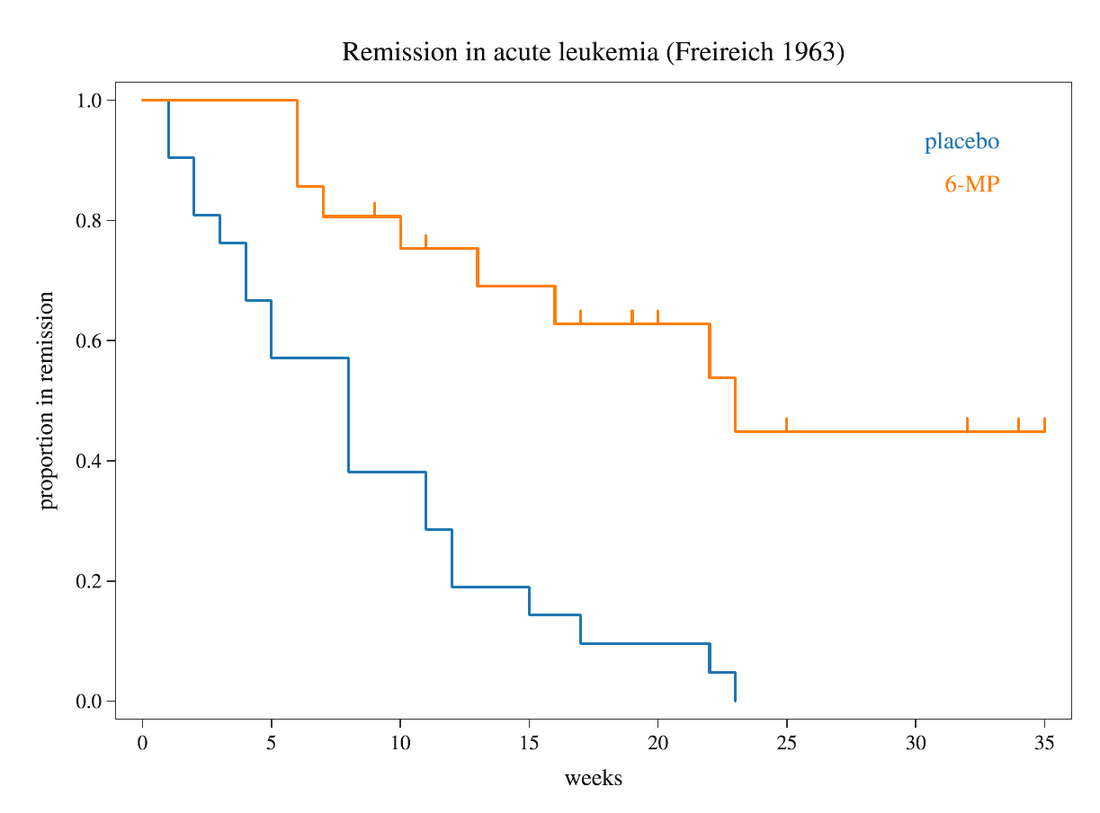
Biostatistics
0.1.2Survival curves with the log-rank test, ROC curves, group comparisons, contingency tables and dose–response fits, from a CSV file.
Results checked against R and published values
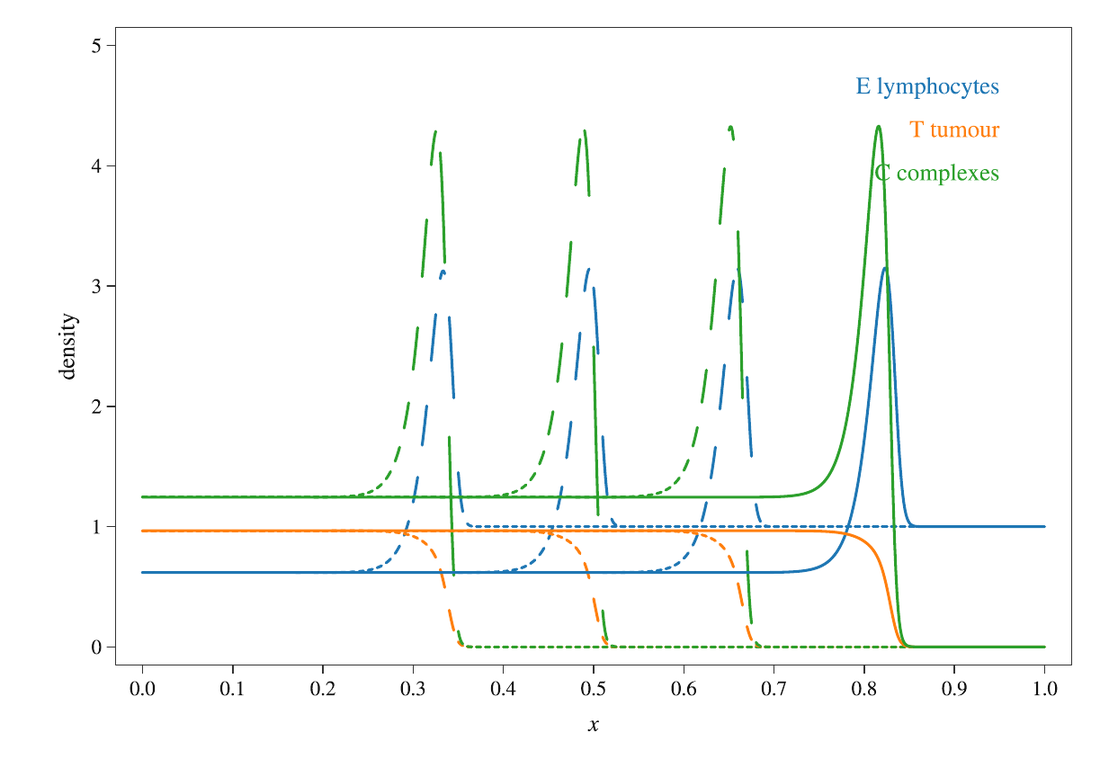
Mathematical Oncology
0.3.0Tumour growth, spheroids, tissue mechanics, immune response, angiogenesis, invasion and metastasis: the models solved and drawn.
Follows Chaplain & Preziosi, Chapters 2–11
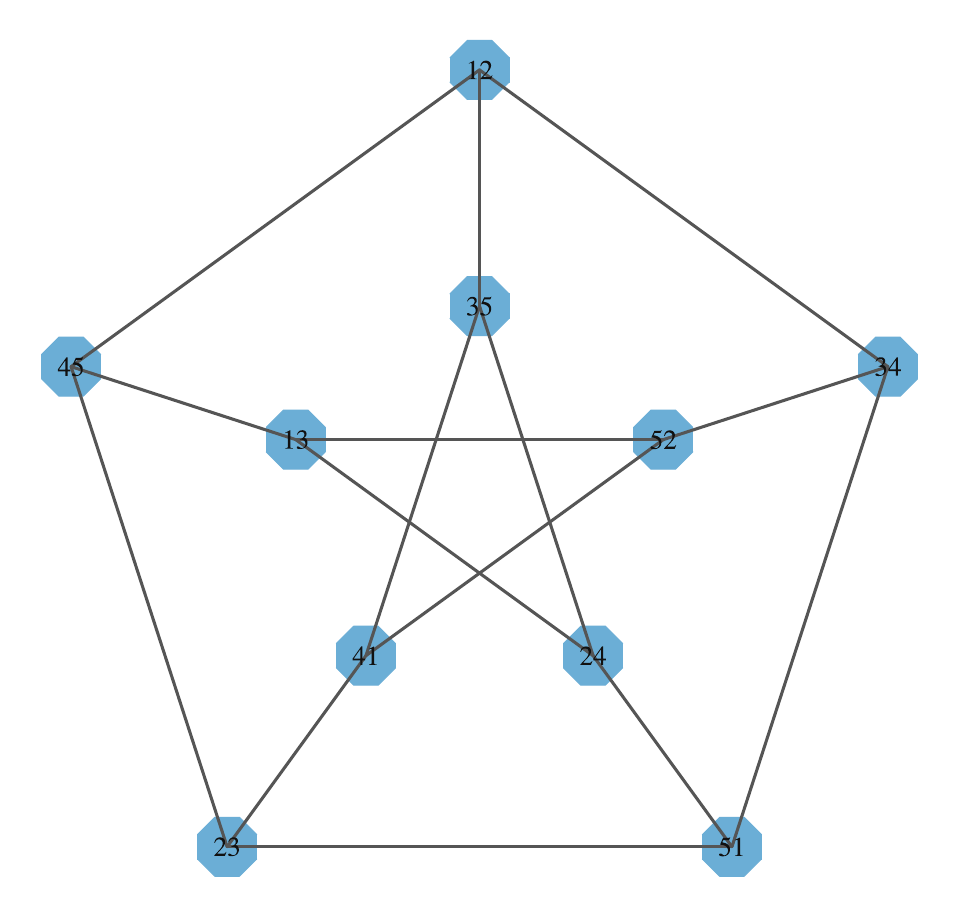
Graph Theory
0.2.0Graphs drawn in 2D and 3D, isomorphism, cycles, decompositions, Eulerian circuits, degree sequences and directed graphs.
Follows West, Introduction to Graph Theory, Chapter 1
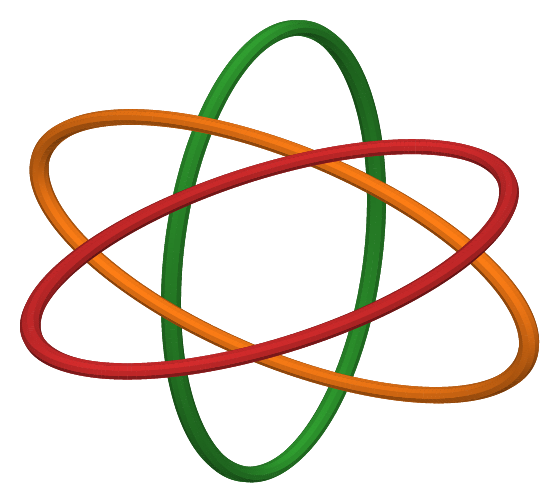
Computational Topology
0.3.0Knots, surfaces and complexes, homology, duality, Morse theory and persistent homology, computed and shown in 3D.
Follows Edelsbrunner & Harer, Computational Topology, Chapters I–VIII
Next
A module for your course
Modules follow a textbook or a syllabus chapter by chapter. If you teach a quantitative subject and want one for your course, write with the book and the chapters you use.
More chapters of the modules in progress are on the way.